

SDS binders are essential organizational tools designed specifically for storing and managing Safety Data Sheets in workplace environments. These specialized binders help businesses maintain OSHA compliance by keeping critical chemical safety information accessible and properly organized. Whether you manage a warehouse, laboratory, manufacturing facility, or commercial space, having a dedicated system for your safety data sheets ensures employee safety and regulatory adherence. UniKeep offers premium SDS binder solutions that combine durability with functionality, making safety documentation management effortless and keeping your SDS binders organized and compliant.

SDS Binders
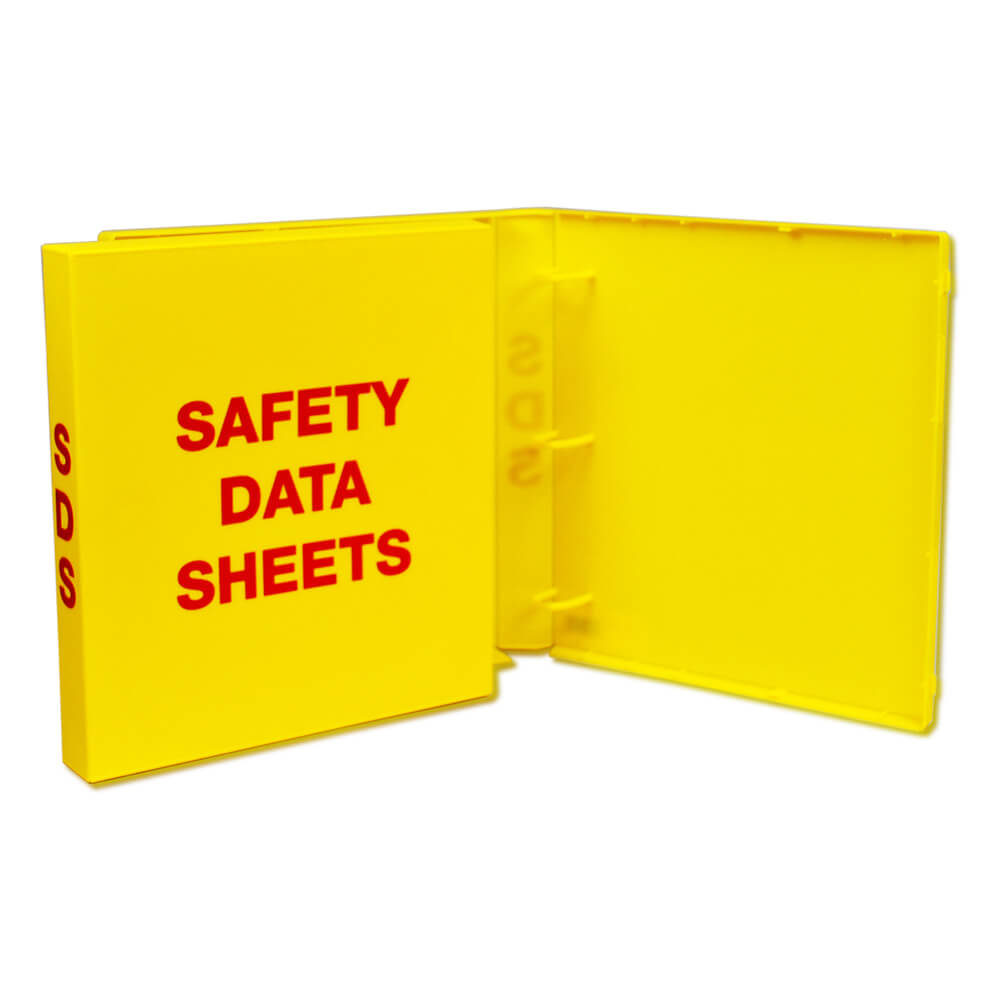
SDS Binders
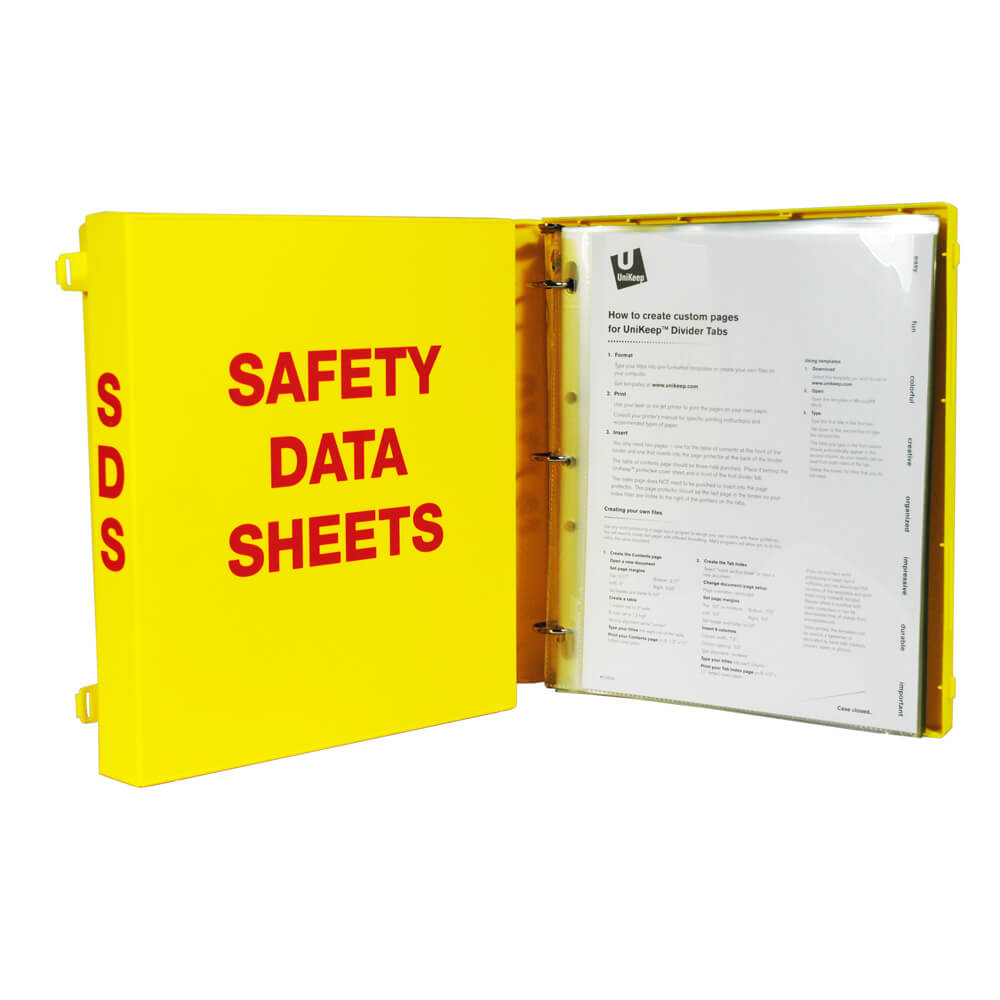
SDS Binders
SDS binders serve as centralized repositories for chemical safety information required by OSHA’s Hazard Communication Standard. These Safety Binders contain detailed documentation about hazardous materials used in your workplace, including handling procedures, first aid measures, and emergency protocols. Proper organization prevents confusion during emergencies and demonstrates regulatory compliance during inspections. Every workplace using chemicals needs accessible SDS documentation to protect employees and meet legal requirements.
Federal regulations mandate that employers maintain current Safety Data Sheets for all hazardous chemicals. OSHA’s HazCom Standard 29 CFR 1910.1200 requires immediate employee access to SDS information during work shifts. Failure to maintain proper documentation can result in significant penalties and workplace safety violations. Using dedicated SDS binders ensures you meet these requirements while creating a standardized system that’s easy for safety officers and employees to navigate during routine work or emergency situations.
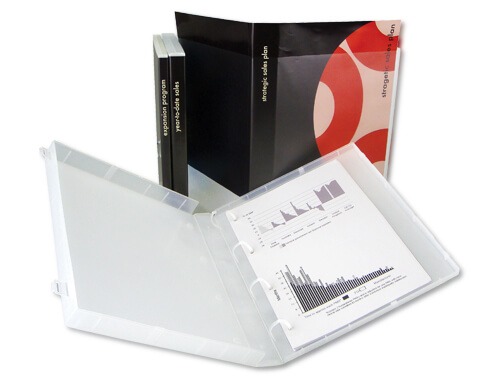
Premium SDS binders feature heavy-duty construction designed to withstand harsh industrial environments. Look for reinforced covers, tear-resistant pages, and ring mechanisms that won’t break under frequent use. Materials should resist chemical splashes, moisture, and temperature variations common in manufacturing and warehouse settings. UniKeep’s polypropylene construction offers superior protection compared to traditional vinyl binders, ensuring your safety documentation remains intact and legible for years despite demanding workplace conditions.
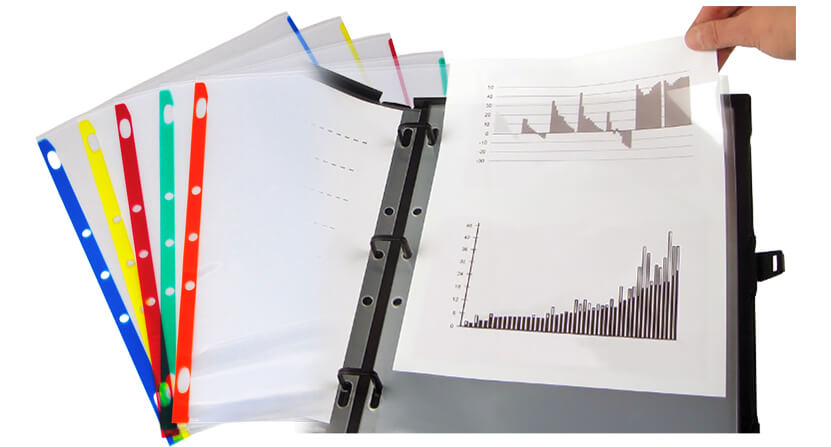
Effective SDS binders include customizable indexing systems with color-coded tabs, alphabetical dividers, and section markers. Quick-reference features like spine labels and clear overlay pockets help employees locate specific safety sheets within seconds. Consider binders with expandable capacity to accommodate growing chemical inventories. The best systems allow for easy updates when manufacturers revise safety information, ensuring your documentation remains current without complete reorganization efforts.
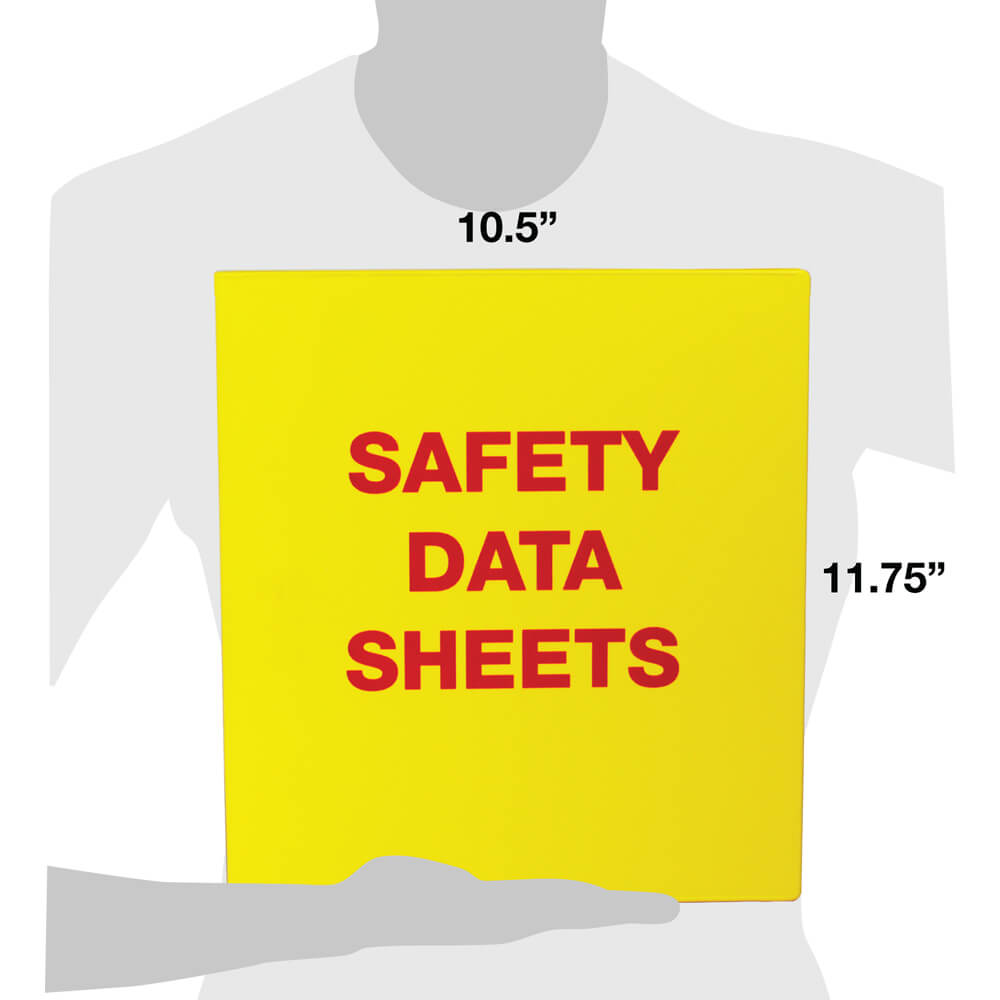
SDS binders come in various sizes to match different workplace needs and chemical inventories. Standard 3-inch capacity holds approximately 375-500 sheets, suitable for medium operations. Larger 4-inch or 5-inch binders accommodate extensive chemical lists for manufacturing facilities. Compact 1.5-inch or 2-inch options work well for smaller businesses or departmental use. UniKeep offers multiple capacity configurations, allowing you to select the right size for your current needs while planning for future inventory expansion.
Traditional ring binders with D-rings or round rings remain popular for SDS storage due to their simplicity and affordability. Three-ring configurations allow easy page additions and removals when updating safety information. Choose binders with reinforced rings rated for heavy-duty use to prevent mechanical failure. While basic in design, quality ring binders provide reliable organization when combined with proper indexing systems and protective sheet covers for frequently referenced documentation.
Wall-mounted SDS stations provide permanent, highly visible safety documentation access points in work areas. These systems often feature multiple binders in centralized locations, making compliance easy for large facilities. Stationary centers include protective cases that shield documents from environmental hazards while maintaining accessibility. Ideal placement includes break rooms, production floors, and maintenance areas where employees regularly access chemical information without leaving their work zones.
Portable SDS binders with handles or carrying cases suit maintenance teams, contractors, and workers who move between locations. These lightweight solutions maintain organization while traveling to job sites or different facility areas. Some models include shoulder straps or compact designs that fit in toolboxes. Mobile solutions ensure safety information accompanies workers wherever hazardous materials are used, maintaining compliance even in temporary or remote work environments beyond your primary facility.
Alphabetical organization by product name offers intuitive navigation for most workplaces. Employees can quickly locate specific chemicals without memorizing complex systems. Alternatively, categorical organization groups materials by hazard class, department, or usage frequency. High-traffic chemicals might occupy front sections for fastest access. Consider your workforce’s familiarity with chemical names and emergency response needs when selecting your organizational approach. Consistency across all facility binders simplifies training and ensures reliable emergency access.
A comprehensive index page should appear immediately inside your SDS binder cover, listing every chemical with corresponding page or tab numbers. Include product names, manufacturers, and the date of the latest SDS revision. Update this master list whenever adding or removing documentation. Some facilities include chemical location information linking safety sheets to storage areas. Digital backup copies of your index provide redundancy and facilitate audits or inventory checks without disturbing the primary workplace binder.
Schedule quarterly reviews to verify all SDS sheets remain current with manufacturer revisions. OSHA requires updating within three months of receiving new safety information. Remove discontinued products promptly while archiving documentation per retention requirements. Assign a qualified staff member as SDS coordinator responsible for updates, training, and audit preparation. Document all maintenance activities with dated logs proving regulatory compliance efforts and creating accountability for workplace safety management.
Organized SDS binders enable rapid information access during chemical emergencies when seconds matter. First responders and medical personnel need immediate details about exposures to provide appropriate treatment. Well-maintained systems help employees make informed decisions about protective equipment, handling procedures, and spill response actions. This preparation reduces injury severity, prevents secondary incidents, and demonstrates a proactive safety culture that protects both personnel and organizational liability during hazardous material incidents.
Dedicated SDS binders simplify OSHA inspections by presenting organized, accessible documentation that meets regulatory standards. Auditors can quickly verify compliance without searching through filing cabinets or digital systems. Proper organization demonstrates good faith compliance efforts that may influence violation severity assessments. Regular maintenance creates audit trails showing continuous attention to safety requirements. This preparedness reduces inspection stress, minimizes potential penalties, and reinforces your commitment to workplace safety beyond minimum legal obligations.
Accessible SDS binders support ongoing safety training by serving as reference materials during onboarding and refresher sessions. Employees develop familiarity with hazard communication systems, building confidence in safe chemical handling. Visual organization reinforces the importance of safety documentation in workplace culture. When workers know where to find information and understand how to use it, they become active participants in hazard prevention rather than passive rule-followers, creating stronger overall safety outcomes.
Count your current hazardous materials to determine required binder capacity, then add 25-30% growth space for future inventory expansion. Small operations with 50-100 chemicals need different solutions than large manufacturing facilities managing 500+ substances. Consider whether one comprehensive binder or multiple departmental binders better serve your workflow. Evaluate storage locations—will binders remain stationary or require portability? Accurate assessment prevents purchasing undersized solutions that quickly become inadequate or oversized binders that waste resources and workspace.
Different industries face unique SDS management challenges requiring specialized features. Healthcare facilities need antimicrobial binder surfaces resistant to cleaning chemicals. Construction sites require weather-resistant portable solutions. Laboratories may need binders compatible with laboratory information management systems. Food processing environments demand materials compliant with sanitation standards. Manufacturing facilities prioritize extreme durability for shop floor conditions. Understanding your industry’s specific demands ensures your chosen SDS binder system addresses practical daily use challenges beyond basic regulatory compliance.
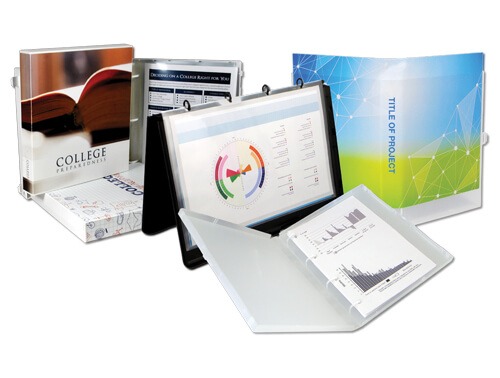
Many SDS binder manufacturers offer customization, including company logos, facility names, and department labels printed directly on covers. Custom spines improve visibility in storage racks or shelves. Color-coding options help differentiate between locations, departments, or hazard categories at a glance. Personalized indexing systems can match your existing safety programs and terminology. While customization adds cost, it creates a professional appearance, reinforces safety culture, and reduces confusion in multi-site operations where standardized systems improve consistency and training effectiveness.
Position SDS binders in logical, easily accessible locations known to all employees, typically near chemical storage areas or work stations. Avoid locked cabinets that delay emergency access—OSHA requires immediate availability during all work shifts. Post clear signage indicating SDS binder locations using standardized symbols and multiple languages if appropriate for your workforce. Train all employees on the exact locations during orientation and refresher sessions. Multiple binder stations may be necessary in large facilities to ensure no worker exceeds a reasonable walking distance to safety information.
Comprehensive training should cover how to locate specific chemicals in your binder system, interpret SDS sections, and apply information during normal operations and emergencies. Include hands-on practice sessions where employees physically navigate the binder to find information. Explain your organizational system’s logic and any facility-specific modifications. Document all training with signed acknowledgment forms for compliance records. Annual refresher training reinforces proper usage and updates employees on system changes, maintaining competency across your workforce and ensuring effective emergency response capabilities.
While physical SDS binders remain legally required, digital backups provide valuable redundancy and accessibility. Cloud-based SDS management systems allow remote access for purchasing, safety planning, and emergency responders. QR codes on physical binders can link to digital versions for expanded information. However, digital systems cannot replace physical binders because emergencies may involve power outages or network failures. Hybrid approaches combining traditional SDS binders with electronic databases offer maximum flexibility while ensuring compliance regardless of technological circumstances during critical situations.
Using obsolete SDS versions violates OSHA requirements and creates serious liability risks when outdated information leads to improper emergency response. Manufacturers regularly revise safety sheets to reflect new research, regulatory changes, or formulation updates. Gaps in documentation where chemicals lack corresponding SDS sheets constitute critical violations discovered during inspections. Establish verification processes ensuring every chemical has current documentation before workplace use. Implement systematic review schedules, catching expired sheets before they compromise safety or compliance, and designate responsibility for maintaining complete, current documentation.
Haphazard filing without logical organization defeats the purpose of SDS binders during emergencies when rapid information retrieval is critical. Missing tabs, torn pages, or inconsistent ordering frustrate users and waste precious time. Overstuffed binders where pages stick or rings fail, create access barriers. Neglecting regular maintenance allows systems to deteriorate into unusable states. These organizational failures not only risk OSHA citations but also fundamentally undermine workplace safety by making critical information practically inaccessible when employees most desperately need it during chemical incidents.
Even perfectly organized SDS binders provide no value if employees don’t know they exist, where to find them, or how to use them effectively. Assuming workers will independently figure out the system without formal training leads to poor utilization and emergency response failures. Neglecting refresher training allows competency to decay over time as staff forget procedures or new employees miss crucial orientation. Documentation proving training completion is essential for compliance defense. Regular drills testing employees’ ability to locate and interpret SDS information, identify knowledge gaps before real emergencies expose them.
UniKeep specializes in durable, innovative binder solutions engineered specifically for demanding professional environments, including safety documentation management. Our polypropylene construction outlasts traditional vinyl binders, resisting tears, chemicals, and environmental stress. Patented spine designs allow binders to stand upright on shelves without sagging or damage. Customization options create professional, branded safety systems that reinforce your organizational culture. With decades of experience serving businesses across industries, UniKeep understands the practical challenges of workplace safety compliance and designs products addressing real-world needs beyond basic functionality.
UniKeep offers extensive customization, including custom printing, various ring sizes, multiple capacity options, and color selections matching your facility coding systems. Choose from D-ring, slant-ring, or round-ring mechanisms based on your usage patterns. Add clear overlay pockets for quick-reference guides or emergency contact information. Select from standard or oversized formats accommodating different document types. Accessories like additional divider sets, sheet protectors, and labeling systems integrate seamlessly with base binders. This flexibility ensures your SDS binder system perfectly matches your operational requirements without compromise or awkward workarounds.
UniKeep’s team assists with system design, capacity planning, and product selection, ensuring optimal solutions for your specific situation. Bulk ordering options provide cost advantages for multi-site organizations, standardizing safety systems. Fast turnaround on custom orders minimizes implementation delays. Customer support continues post-purchase with replacement parts, expansion accessories, and consultation on system optimization. Whether outfitting a single location or rolling out enterprise-wide safety documentation standards, UniKeep provides expertise and products supporting successful SDS binder implementation that enhances compliance and workplace safety.
An SDS binder should contain current Safety Data Sheets for every hazardous chemical present in your workplace, organized systematically with a comprehensive index or table of contents. Include a master chemical inventory list, emergency contact information, and facility-specific response procedures. Many organizations add quick-reference guides explaining how to read SDS sections and interpret hazard classifications. Dividers or tabs should separate sections for easy navigation. Some facilities include records of SDS updates and training documentation within the binder, though these may also be maintained separately depending on your record-keeping system.
OSHA requires updating SDS documentation within three months of receiving revised safety information from manufacturers. Conduct systematic reviews quarterly to verify all sheets remain current and remove discontinued products. Immediate updates are necessary when adding new chemicals to your inventory or when manufacturers issue urgent safety revisions. Annual comprehensive audits ensure nothing has been overlooked during routine maintenance. Document all update activities with dated logs proving compliance efforts. Establish a designated responsibility for monitoring manufacturer communications and implementing necessary updates, ensuring your SDS binder system never falls behind regulatory requirements.
Position SDS binders in areas where employees normally work with or near hazardous chemicals, ensuring immediate access without significant travel time. Common locations include production floors, maintenance shops, laboratories, chemical storage areas, and break rooms. OSHA requires accessibility during all work shifts, so avoid locked storage unless keys are universally available. Multiple binder stations may be necessary in large facilities—each work area should have access within reasonable walking distance. Post clear signage indicating SDS locations and include location information during employee orientation training to ensure universal awareness across your workforce.
OSHA permits electronic SDS systems if employees can access them without barriers during all work shifts and if the system includes backup provisions for power outages or equipment failures. However, many safety professionals recommend maintaining physical SDS binders as primary or backup systems because emergencies may involve electrical failures, network disruptions, or situations where electronic access becomes impractical. Physical binders provide guaranteed access regardless of technological circumstances. A hybrid approach using both physical binders and electronic databases offers optimal flexibility while ensuring absolute compliance and access reliability during any emergency scenario that might compromise digital systems.
Binder size depends on your chemical inventory count and expected growth. As a general guideline, a 2-inch capacity binder holds approximately 250-300 sheets, suitable for smaller operations. A 3-inch binder accommodates 375-500 sheets for medium-sized inventories. Facilities with 500+ chemicals should consider 4-inch or 5-inch binders or implement multiple binders organized by department or chemical category. Calculate based on one sheet per chemical plus 25-30% expansion capacity for future inventory growth. UniKeep offers various sizes, ensuring you select an appropriate capacity without purchasing oversized solutions that waste space or undersized binders requiring premature replacement.
Alphabetical organization by product name is most common and intuitive for employees seeking specific chemical information quickly. Alternative methods include organizing by hazard class, manufacturer, department, or usage frequency, depending on workplace needs. Whatever system you choose, maintain consistency across all facility binders and clearly communicate the organizational logic during training. Use labeled dividers or tabs marking sections for rapid navigation. Create a comprehensive index or table of contents at the front listing every chemical with location references. The most effective organization balances ease of use, emergency access speed, and logical structure, matching how employees actually interact with chemicals.
Designate a specific individual or role as SDS Coordinator responsible for maintaining accurate, current documentation. This person typically comes from safety, environmental health, or facility management departments with appropriate training and authority. Responsibilities include monitoring for manufacturer updates, adding new chemicals, removing discontinued products, conducting regular audits, and training employees on proper usage. A clear assignment prevents maintenance gaps where everyone assumes someone else is managing updates. In larger organizations, department-level coordinators may manage local binders while reporting to a central safety administrator, ensuring company-wide consistency and compliance across all locations and operational units.
OSHA violations for inadequate SDS access or missing safety data sheets can result in significant penalties ranging from thousands to tens of thousands of dollars per violation, depending on severity and circumstances. Serious violations where absent or inaccessible SDS information createsa substantial probability of death or serious physical harm carry particularly steep fines. Beyond regulatory penalties, inadequate systems create liability exposure if employee injuries result from missing safety information. Insurance claims may face complications when proper documentation is unavailable. Repeat violations escalate penalties substantially. The investment in proper SDS binder systems is minimal compared to the potential financial and legal consequences of non-compliance.
Implementing a robust SDS binder system is essential for maintaining workplace safety and OSHA compliance in any facility using hazardous materials. The right organizational approach, combined with quality binders designed for durability and accessibility, ensures your employees have immediate access to critical safety information during both routine operations and emergencies. UniKeep’s specialized binder solutions provide the durability, customization, and organizational features necessary for effective safety documentation management across industries. By following best practices for organization, maintenance, and employee training, your facility can create a reliable system that protects workers, satisfies regulatory requirements, and demonstrates your commitment to workplace safety. Invest in professional-grade SDS binders that serve as the foundation of your hazard communication program and chemical safety management strategy.