

The best way to organize Pokemon cards in binders involves strategic sorting methods that protect your collection while making it easy to browse, trade, and showcase your cards. Whether you’re a seasoned collector or just starting your Pokemon journey, proper binder organization maximizes both the safety and accessibility of your valuable cards. From choosing the right protective sleeves to deciding between chronological or rarity-based sorting systems, the best way to organize Pokemon cards in binders depends on your collection goals, trading habits, and personal preferences. This comprehensive guide will walk you through proven methods that serious collectors use.
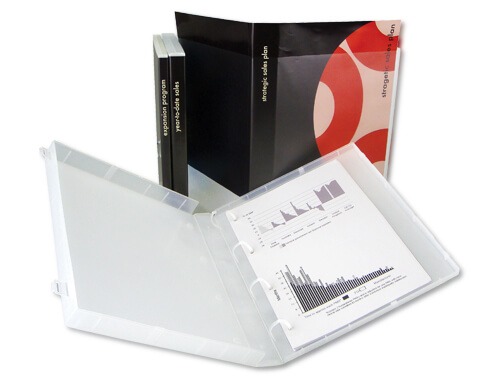
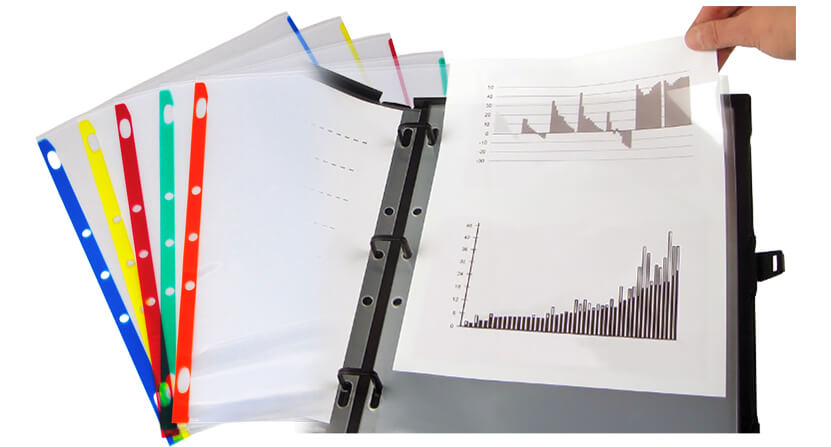
Before implementing any organizational system, gathering quality supplies is crucial for long-term card protection. Invest in acid-free binders with D-rings to prevent card damage during page turns. Choose archival-quality 9-pocket pages that fit standard Pokemon card dimensions perfectly. Premium card sleeves provide an extra layer of protection against moisture, fingerprints, and dust. Consider divider tabs for easy section navigation and a digital camera or app for cataloging purposes. Quality supplies prevent costly damage to rare cards over time.
Organizing by set and card number follows the official Pokemon TCG structure, making it easy to identify collection gaps and maintain complete sets. Start with base sets and progress chronologically through expansions. This method appeals to completionist collectors who enjoy tracking their set progress systematically.
Prioritize your most valuable holographic cards first, followed by reverse holos, rares, uncommons, and commons in descending order. This creates a natural hierarchy that showcases your premium cards while keeping bulk organized separately.
Sorting by type (Fire, Water, Grass, Psychic, etc.) aligns with Pokemon’s elemental system and simplifies deck-building for active players. This intuitive method works particularly well for newer collectors learning type matchups.
Alphabetical arrangement works best for smaller collections, helping quickly locate specific Pokemon while maintaining easy inventory tracking. This straightforward approach requires minimal Pokemon knowledge but becomes unwieldy with large collections.
Combine multiple methods by organizing first by set, then by type within each set, finishing with rarity hierarchy. This balanced approach accommodates various collection goals while maintaining logical flow throughout your binders.
Select binder size based on your collection scope – standard 3-ring binders work for small collections, while larger collections require bigger or multiple binders. Heavy-duty binders with reinforced rings prevent page tearing and card damage during frequent use. Opt for side-loading pocket pages over top-loading varieties to prevent cards from sliding out accidentally. Ensure pages are made from acid-free, archival materials to prevent long-term chemical damage to your valuable Pokemon cards.
Standard-size sleeves are the most common protective solution, designed specifically to fit Pokemon cards perfectly. Double-sleeve valuable cards by first using perfect-fit inner sleeves, then standard outer sleeves for maximum protection against moisture and handling damage. Consider premium sleeve brands for cards worth over $20, as cheaper sleeves may contain harmful chemicals. Replace damaged sleeves immediately to maintain protection levels. Store sleeved cards in climate-controlled environments away from direct sunlight to prevent fading and warping over time.
Modern collectors use digital tools like PkmnBindr and Binder Forge to create virtual binders, track card values, and maintain detailed collection databases. Photograph valuable cards for insurance purposes and theft recovery. Maintain spreadsheets with card conditions, purchase dates, and current market values. Digital backups prevent total inventory loss if physical records are damaged. Regular inventory updates help track collection growth and identify trading opportunities with other collectors.
Inspect binders quarterly for environmental damage, checking for moisture, pest intrusion, or page deterioration. Clean binder surfaces with appropriate materials to prevent dust accumulation that could scratch card surfaces. Rotate stored binders periodically to prevent permanent spine warping from prolonged upright storage. Replace damaged pages immediately to maintain protective integrity. Schedule annual inventory audits to update digital catalogs and identify cards requiring conservation attention. Consider professional grading for exceptionally valuable cards that warrant long-term preservation investment.
Avoid using low-quality materials that degrade collections over time, and never neglect digital backup creation. Don’t overcram pages, as tight fits increase card damage risk during removal. Mixing different card sizes in standard pages creates uneven pressure and potential damage. Avoid storing binders in attics, basements, or other areas with temperature fluctuations. Never use rubber bands or paper clips for temporary organization, as these create permanent creases and chemical stains on cards.
Start with basic supplies and upgrade gradually as your collection grows. Purchase supplies in bulk for cost savings on pages and sleeves. Repurpose household items like divider tabs and labels for initial organization. Focus premium protection on your most valuable cards first. Join collector communities for supply group purchasing opportunities and secondhand binder deals from members upgrading their storage systems.
A standard 9-pocket binder page holds exactly 18 Pokemon cards when using both front and back slots. Each side accommodates 9 cards, making it efficient for organizing complete evolution lines or type sets. Consider this capacity when planning your binder layout and purchasing pages.
Yes, always sleeve cards before binder storage, especially valuable ones. Sleeves prevent direct contact with page materials and protect against moisture, oils, and dust. For cards worth over $10, consider double-sleeving with inner perfect-fit sleeves plus outer standard sleeves for maximum protection.
For collections under 500 cards, standard 3-inch D-ring binders work well. Larger collections benefit from 4-inch binders or multiple smaller binders organized by theme. Avoid O-ring binders as they can damage cards during page turns. Heavy-duty construction prevents wear with frequent use.
Choose side-loading pages over top-loading varieties to prevent gravity-induced card sliding. Ensure proper fit between card sleeves and pocket dimensions. Avoid overstuffing pages, which stretches pockets and reduces retention. Store binders upright or flat, never at angles that encourage card movement.
Absolutely! Many collectors enjoy chronological organization spanning multiple eras. However, consider using dividers or separate sections for different generations to maintain historical context. Mixing can create interesting comparisons between card design evolution and artwork styles across decades.
Reorganize when your system no longer serves your needs, typically after major collection additions or when trading frequently. Most collectors do annual reviews to update organization methods and assess protection needs. Frequent reorganization increases handling damage risk, so establish stable systems early.
Side-loading pages insert cards horizontally, preventing gravity-induced falling and providing better security. Top-loading pages insert vertically and may allow cards to slip out over time. Side-loading pages also typically offer better protection against dust and environmental contaminants entering pockets.
This depends on your collecting goals. Value-based organization prioritizes investment protection and showcases expensive cards prominently. Type-based organization supports gameplay and appeals to fans interested in Pokemon lore. Many collectors use hybrid systems combining both approaches for optimal functionality.
Maintain a master spreadsheet or use digital collecting apps like PkmnBindr to track card locations across binders. Label each binder clearly and create location codes for easy reference. Consider photographing binder layouts for quick visual reference when searching for specific cards.
Store binders in stable environments between 60-70°F with 30-50% relative humidity. Avoid attics, basements, and areas with temperature fluctuations. Use silica gel packets in storage areas prone to humidity issues. Consistent conditions prevent warping, fading, and mold growth that damage cards permanently.