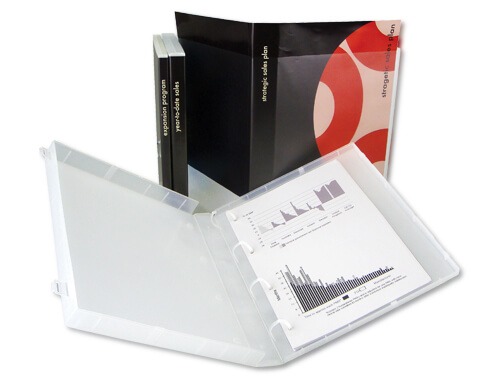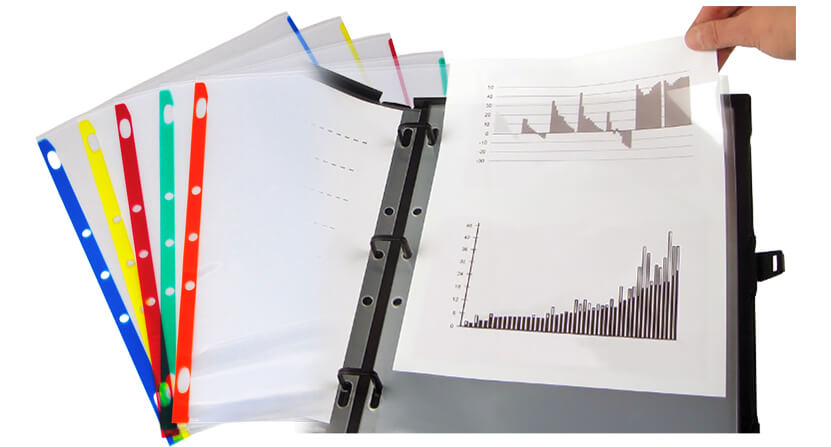


D ring binders feature a flat back with D-shaped rings offset toward the spine, allowing pages to lie flatter and hold more sheets — up to 25% more capacity than O ring binders of the same diameter. O ring (round ring) binders use circular rings centered on the spine, which works well for lighter loads but can cause page curl at higher capacities.
Yes. A 2-inch D ring binder typically holds around 540 sheets, while a 2-inch O ring binder holds approximately 400 sheets. The D-shaped ring’s offset position allows more pages to stack without distortion, making D ring binders the better choice for high-volume document storage.
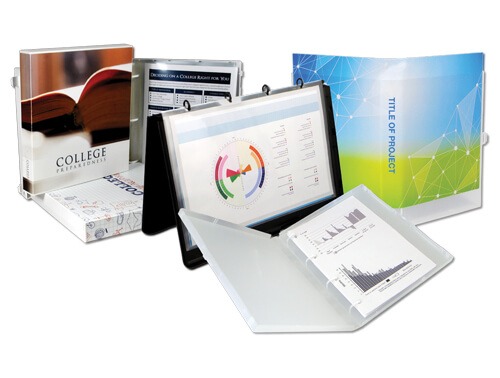
D ring binders are generally preferred for professional use. Their lay-flat opening, higher capacity, and more durable ring mechanism make them ideal for client presentations, legal files, medical records, and HR documentation. Unikeep D ring binders also feature clear overlay covers that allow for custom title inserts.
For most students, O ring binders are a practical, affordable choice for carrying moderate amounts of class notes and handouts. However, students managing large course packets or multi-semester archives may benefit from Unikeep’s D ring binders, which hold significantly more pages while remaining easy to open and navigate.
Generally, yes. D ring binder mechanisms distribute mechanical stress more evenly, reducing the risk of ring failure under heavy loads. O ring binder hinges bear more concentrated stress, especially when filled near capacity. For binders that will be opened and closed repeatedly over months or years, D ring designs tend to outlast round ring alternatives.
Both D ring and O ring binders come in common ring diameter sizes: 1 inch, 1.5 inch, 2 inch, and 3 inch. D ring binders are more commonly available in larger sizes (2″ and 3″) designed for high-capacity use. Unikeep offers both types across multiple sizes to fit every organizational need.